French Drain Installation for Effective Yard Drainage Solutions
French Drain Installation for Effective Yard Drainage Solutions
Blog Article
French Drainage Systems for Excellent Aqueous Control
French drain solutions serve as a key element in effective water management for homeowners. These systems are designed to divert both surface and groundwater, preventing water accumulation near foundations. Knowing how they work and the various types offered is essential. Homeowners often face unique drainage challenges that require tailored approaches. As they explore these options, they may find themselves questioning the best solutions for their particular needs.
What Comprise French Drains and How Do They Perform?
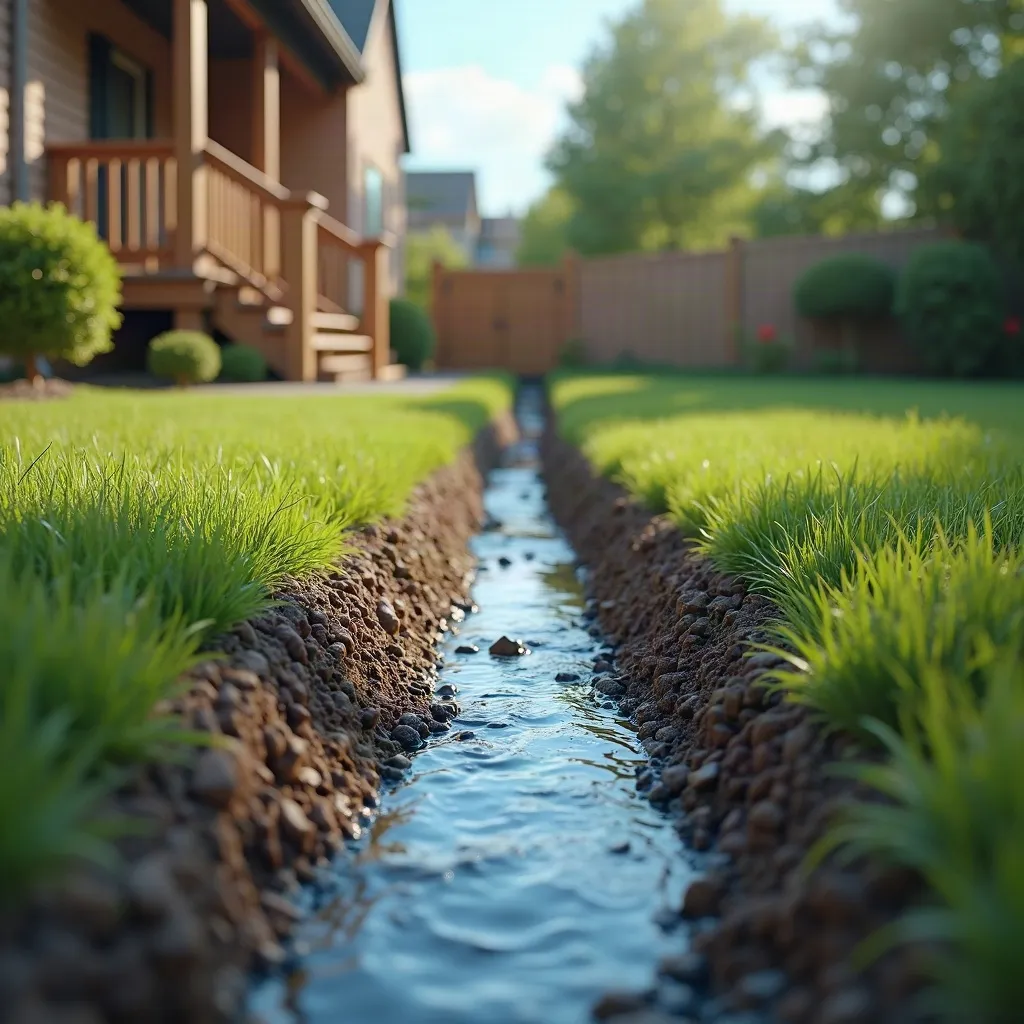
French drains serve as a standard method to resolving water-related issues. They feature a trench packed with aggregate material, equipped with a slotted drainage pipe positioned at the bottom. This arrangement permits the effective movement of water away from areas susceptible to flooding or moisture problems. When rainwater or groundwater collects, it goes into the slotted drainage pipe, which conveys the water to protect the foundation of buildings or landscaping.
The mechanism depends on gravity to function efficiently, ensuring that water moves to a specified drainage area, such as a storm sewer or dry well. By preventing water accumulation, French drains assist in protecting structures from water damage, minimize erosion, and enhance soil stability. Proper installation is crucial for maximizing their efficiency, as factors like slope and depth must be carefully evaluated. In summary, French drains function as a reliable method for addressing drainage issues in various environments.
Distinct Varieties of French Drainage Systems for Your Land
When tackling drainage problems, property owners can choose from multiple types of French drains tailored to their particular needs. One common option is the traditional French drain, which includes a trench packed with gravel and a perforated pipe that collects and redirects water away from the foundation. Another type is the surface French drain, engineered to capture excess water accumulating on the surface, often positioned along driveways or sidewalks.
Properties with high groundwater levels may benefit from a underground French system, sunk deeper to intercept water flow before it rises. Moreover, lateral drains are used to manage water flow around defined regions, mitigating moisture problems in outdoor spaces or cellar areas. Ultimately, composite drainage systems integrate features of various drain types to meet distinct needs. Every system provides unique purposes, giving property owners the ability to select the most ideal solution for their water management issues.
Perks of French Drains for Your Residence
Installing a French drain can significantly improve property value and protect against water damage. These drainage systems effectively redirect excess water away from foundations, reducing the risk of flooding and erosion. By managing water runoff, French drains help preserve landscaping and prevent soil saturation, which can damage plant life and hardscapes.
In addition, the installation of a French drain can minimize mold and mildew growth in basement and crawl space areas, enhancing a healthier indoor environment. This is particularly beneficial in areas vulnerable to excessive rainfall or high groundwater situations.
Furthermore, properties with effective drainage solutions often appeal to purchasers more quickly, as prospective buyers recognize the long-term advantages of drainage technology. Overall, the advantages of French drains extend beyond immediate water control, enhancing the durability and desirability of a property.
Creating a French Drain: A Phased Approach
Creating a drainage setup involves several important steps to ensure effective water management. First, the area should be examined to find the optimal location for the drain, typically at the lowest point where water collects. Next, a trench is dug, ideally at a slope ranging from 1% to 2%, to promote water flow. The trench’s depth and width must be suitable for perforated pipe and gravel.
Once the trench is readied, a layer of aggregate is laid at the bottom, followed by the perforated pipe, ensuring the holes face related resource downward. After placing the pipe, extra aggregate is added to cover it, allowing for peak drainage. Finally, the excavation is completed with soil, and landscaping is returned. Proper installation guarantees that excess water is efficiently redirected away from the residence, minimizing potential damage.
Addressing Routine Setbacks With French Drains
Tackling common issues with French drains is critical for maintaining their effectiveness. Two widespread issues include clogged drainage, which can hinder water flow, and improper grading, which may cause water to pool instead of flowing away. Addressing these issues promptly ensures optimal function and longevity of the drainage system.
Clogged Drainage Concerns
Clogs can compromise the efficiency of French drains, leading to water pooling and potential damage. Common causes include sediment buildup, debris intrusion, and root infiltration. Over time, these obstructions can impede proper drainage, requiring timely intervention. Homeowners should regularly inspect their French drains for indicators of obstruction, such as slow drainage or unusual dampness in surrounding areas. Using a garden hose to flush the system can help remove minor blockages. For more severe clogs, a professional inspection may be required to assess the situation accurately. Additionally, installing a filter or grate can prevent larger debris from entering the drainage system, thereby reducing future clogging issues. Prompt attention to clogged drains is essential for maintaining effective water management.
Incorrect Grade Problems
A correct slope is necessary for the effective functioning of French drains, as even a subtle misalignment can produce significant drainage complications. If the slope is too gentle, water may settle in the drain instead of flowing toward the outlet. Similarly, an steep slope can cause rapid water transit, obstructing the drain from obtaining runoff effectively. Homeowners may notice evidence of improper drainage, such as stagnant water or degradation near the drain's entry point. To address these issues, it is important to review and adjust the slope to guarantee a consistent gradient of at least 1% to 2%. Regular servicing and tracking can prevent these issues, allowing the French drain to perform at its best and extending its lifespan.
Maintaining Your French Drain for Long-Lasting Performance
Regular inspections and cleaning of a French drain are required to ensure optimal function. Additionally, correct grading of drainage is essential for channeling water flow effectively away from the foundation. These practices help prevent clogs and promote long-term efficiency.
Periodic Reviews and Upkeep
Performing regular reviews and maintenance is critical for maintaining the extended efficiency of a French drain system. Over time, debris, sediment, and organic matter may accumulate within the drain, impeding the flow of water. Regular inspections help homeowners identify blockages or structural damage early, avoiding major complications later. Cleaning should occur at least once yearly, particularly after heavy weather or storms, to remove any buildup that has formed. Utilizing a combination of manual removal and tools such as a drain snake can effectively remove blockages. Furthermore, updating the surrounding landscape by trimming vegetation and ensuring correct drainage away from the system supports its life expectancy. Consistent upkeep ultimately guards the property against water damage and improves drainage function.
Proper Water Management Slope Design
Effective drainage grading is essential for the effectiveness of a French drain system. It ensures that water moves toward the drain rather than pooling in undesirable areas. For superior performance, the ground should grade away from the foundation at a minimum angle of 1% (or 1 inch per 10 feet). This slope facilitates efficient water movement, minimizing potential flooding and erosion.
Routine evaluations of the grading are essential to address any alterations brought about by landscaping, settling, or natural wear. If grading becomes insufficient, it may demand adjustments, such as re-sloping the landscape or incorporating soil to maintain the proper grade. By emphasizing proper drainage grading, property owners can enhance the durability and performance of their French drain installations, ensuring dependable water management.
Regular Inquiries Asked Often
How Much Does It Expense to Install a French Drain?
A French drain installation usually costs between $1,000 to $5,000, based on assorted variables such as the size of the project, complexity, and local labor rates, considerably impacting overall setup costs.
Can You construct a French Drain by yourself?
Yes, an individual can install a French drain themselves if they own the necessary skills and apparatus. However, careful planning and observation to municipal ordinances are essential to confirm effectiveness and prevent future drainage issues.
What Authorizations Are Necessary for Installation?
Local rules typically require a authorization for putting in drainage systems. Homeowners should consult municipal codes or building departments to determine exact standards, ensuring compliance with zoning ordinances, environmental concerns, and any necessary inspections during installation.
How Long Will a French Drain Remain in Service?
A adequately positioned French drain typically lasts between 30 to 40 years, depending on soil conditions and maintenance. Regular inspections and quick interventions can considerably extend its lifespan and guarantee peak performance over time.
Are French Drains Effective for Controlling Basement Moisture Problems?
Yes, French drains can efficiently prevent basement flooding by redirecting surface water away from foundations. When correctly installed, they lower moisture levels, assisting in avoiding water accumulation and possible deterioration within the basement environment.
Report this page